
The gallbladder is a small organ located below the liver that stores bile, a digestive fluid that helps in breaking down fats. Gallstones are hard deposits that form inside the gallbladder due to excess cholesterol, bilirubin, or imbalance in bile composition. Gallstones can vary in size and may cause severe abdominal pain, infection, inflammation, or blockage if left untreated. Early diagnosis and timely treatment are important to avoid serious gallbladder-related complications.
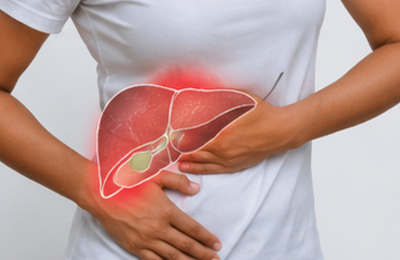
Many people with gallstones may not experience symptoms initially, but over time the condition can lead to recurrent abdominal pain, digestive problems, gallbladder infection, or complications affecting the bile ducts and pancreas. Laparoscopic gallbladder surgery is considered the safest and most effective treatment for symptomatic gallstones.
The most effective treatment for gallstones is Laparoscopic Cholecystectomy, a minimally invasive keyhole surgery performed through small incisions using a high-definition camera and specialized surgical instruments. During the procedure, the diseased gallbladder containing stones is safely removed.
In certain complicated cases where stones move into the bile duct, an advanced endoscopic procedure known as ERCP (Endoscopic Retrograde Cholangiopancreatography) may be performed to remove the blockage before gallbladder surgery.