Laparoscopic surgery is one of the most advanced and minimally invasive surgical techniques used for the treatment of various abdominal conditions. It has become the preferred choice for both surgeons and patients because of its precision, safety, minimal pain, and faster recovery. The procedure is performed through a few small incisions instead of a large open cut. A laparoscope — a thin tube fitted with a high-definition camera and light source — is inserted through these small openings, allowing the surgeon to clearly visualize the internal organs on a monitor and perform surgery using specialized instruments.
Laparoscopic surgery offers several advantages over traditional open surgery, including smaller scars, less blood loss, reduced risk of infection, shorter hospital stay, and quicker return to normal activities. It is commonly used for gallbladder surgery, appendix surgery, hernia repair, gastrointestinal procedures, and various abdominal operations.
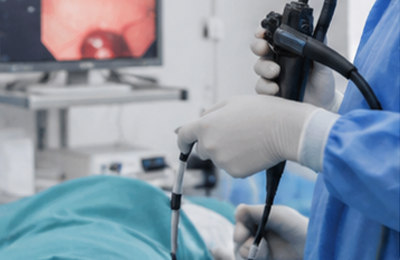
Endoscopy is a safe and minimally invasive diagnostic procedure used to examine the digestive tract and diagnose various gastrointestinal disorders. During the procedure, a flexible tube with a high-definition camera called an endoscope is inserted through natural openings such as the mouth or anus to provide a clear internal view of the digestive organs. Endoscopy helps identify conditions causing acidity, abdominal pain, bleeding, indigestion, difficulty swallowing, constipation, and other digestive problems.
For patient comfort, mild sedation or light anesthesia is administered during endoscopy and colonoscopy procedures, helping patients remain relaxed and pain-free. Most procedures are completed within 20–30 minutes, and patients can usually return home the same day. Mild bloating or temporary discomfort may occur after the procedure but generally resolves quickly without complications.