Advanced Laparoscopy, Endoscopy & Colonoscopy
Advanced laparoscopic surgery is a minimally invasive surgical technique performed using small incisions, a high-definition camera, and specialized instruments. Compared to traditional open surgery, laparoscopic procedures offer less pain, smaller scars, shorter hospital stay, and faster recovery. These procedures are commonly used for various abdominal and gastrointestinal conditions.
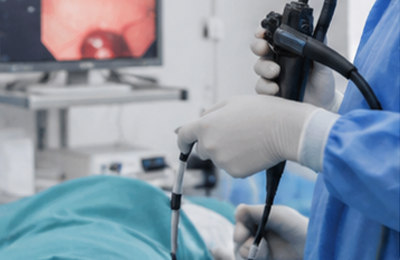
Endoscopy and colonoscopy are advanced diagnostic and therapeutic procedures used to examine the digestive tract. These procedures help identify conditions affecting the esophagus, stomach, intestines, colon, and rectum while allowing early diagnosis and treatment of gastrointestinal diseases.
Conditions Commonly Treated
Advanced laparoscopic and endoscopic procedures are commonly performed for:
- Appendicitis and gallbladder stones
- Hernia and abdominal wall defects
- Acidity, gastritis, and stomach ulcers
- Colon polyps and gastrointestinal bleeding
- Inflammatory bowel diseases
- Abdominal pain and digestive disorders
- Screening for colon cancer and intestinal diseases
Types of Procedures
- Laparoscopy: Minimally invasive keyhole surgery performed through small cuts using a camera and surgical instruments
- Upper GI Endoscopy: Examination of the esophagus, stomach, and upper intestine using a flexible camera inserted through the mouth
- Colonoscopy: Evaluation of the large intestine and rectum using a flexible endoscopic camera
Common Symptoms Requiring Evaluation
- Persistent abdominal pain or bloating
- Acidity, heartburn, or indigestion
- Difficulty swallowing
- Blood in stools or gastrointestinal bleeding
- Chronic constipation or diarrhea
- Unexplained weight loss or anemia
- Recurring abdominal infections or discomfort
Benefits of Advanced Laparoscopic & Endoscopic Procedures
- Minimal pain and smaller incisions
- Faster recovery and early discharge
- Reduced risk of infection and complications
- Minimal scarring and blood loss
- Shorter hospital stay
- Quick return to daily activities
- Accurate diagnosis and effective treatment