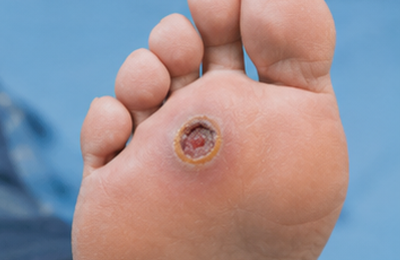
Diabetic Foot Surgery
Diabetes is becoming increasingly common due to modern lifestyle factors such as stress, obesity, unhealthy eating habits, lack of exercise, and sedentary routines. One of the most serious complications of uncontrolled diabetes is Diabetic Foot, which can lead to non-healing ulcers, severe infections, tissue damage, and even limb-threatening conditions if not treated on time. Early diagnosis and proper diabetic foot management are essential to prevent complications, promote healing, and preserve mobility.
Diabetic Foot mainly develops due to diabetic neuropathy (loss of sensation in the feet) and poor blood circulation. Because of reduced sensation, patients may not notice cuts, burns, pressure sores, or minor injuries, which can gradually become infected wounds or chronic ulcers. Delayed healing caused by poor blood supply further increases the risk of infection, gangrene, and tissue loss.
Common Symptoms of Diabetic Foot
- Numbness, tingling, or burning sensation in the feet
- Reduced sensation or inability to feel injuries
- Non-healing wounds or foot ulcers
- Swelling, redness, or pus discharge from the foot
- Discoloration or blackening of toes or foot tissue
- Pain while walking due to poor circulation
- Foul-smelling wounds or signs of infection
- Skin cracks, calluses, or recurrent foot infections
Advanced Treatment & Management
Effective diabetic foot care requires a multidisciplinary approach involving diabetic specialists, surgeons, wound care experts, vascular specialists, and podiatrists. Treatment options may include:
- Strict blood sugar control through medications, insulin therapy, and diabetic diet management
- Detailed vascular evaluation to assess blood flow to the lower limbs
- Angioplasty or vascular procedures to improve circulation when necessary
- Surgical debridement and removal of infected or dead tissue
- Advanced wound care with regular dressings and infection control
- Vacuum-Assisted Closure (VAC) dressing for faster wound healing
- Skin grafting and flap reconstruction for complex wounds
- Customized diabetic footwear and MCR soles to reduce pressure and prevent further injury
Benefits of Early Diabetic Foot Treatment
- Prevents worsening of infection and tissue damage
- Reduces the risk of gangrene and amputation
- Promotes faster healing of wounds and ulcers
- Improves blood circulation and mobility
- Enhances overall foot care and quality of life
- Helps prevent recurrence of diabetic foot complications
Dr. Akshay N. Chaudhari provides advanced diabetic foot treatment with a focus on wound healing, infection control, minimally invasive surgical care, and limb preservation. With personalized treatment planning and modern wound management techniques, patients receive comprehensive diabetic foot care aimed at faster recovery and improved long-term outcomes.